Examiner's comment
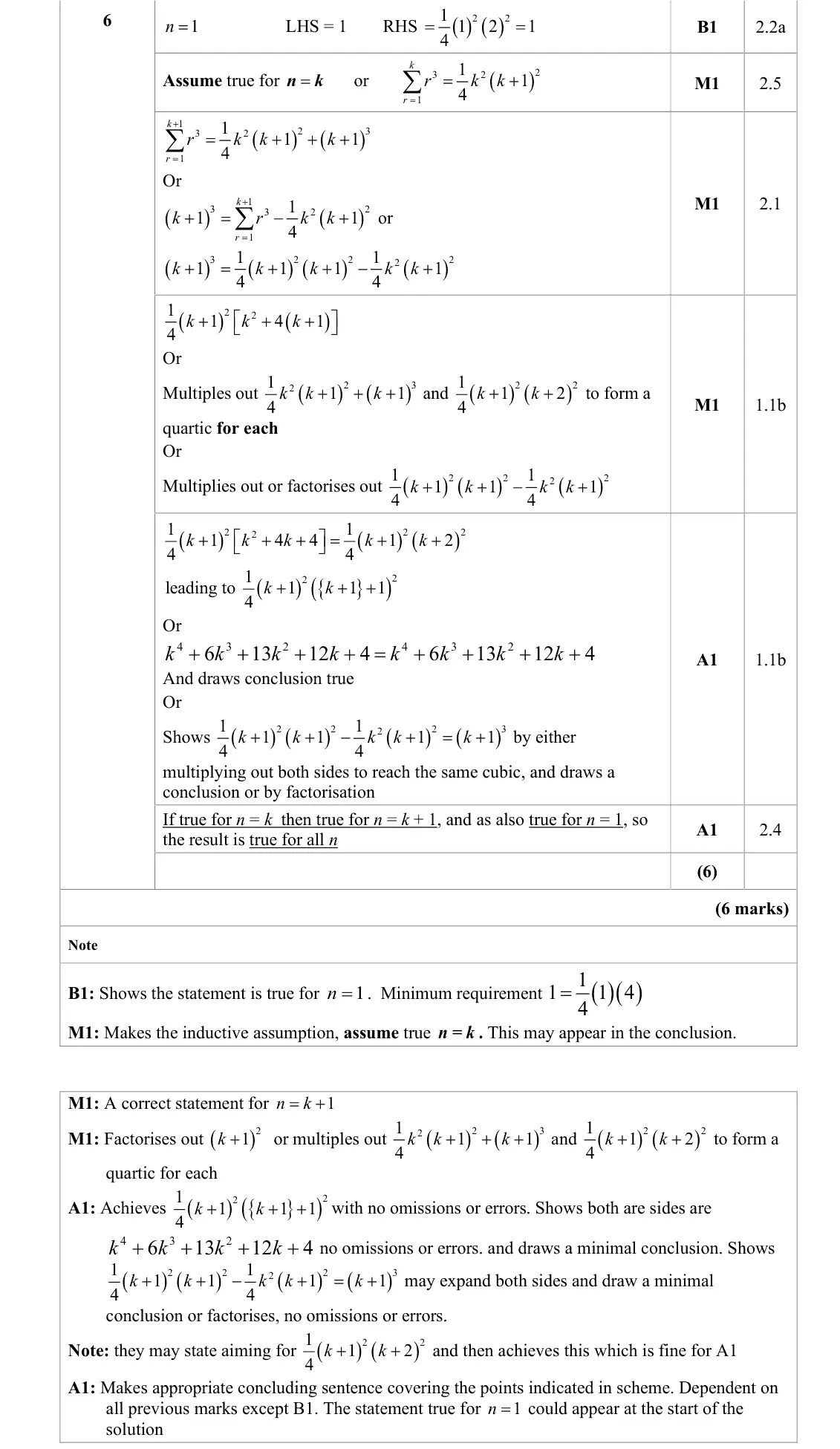
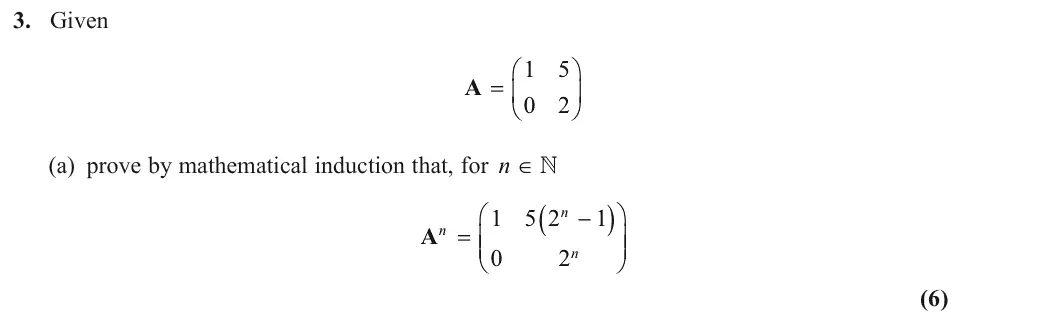
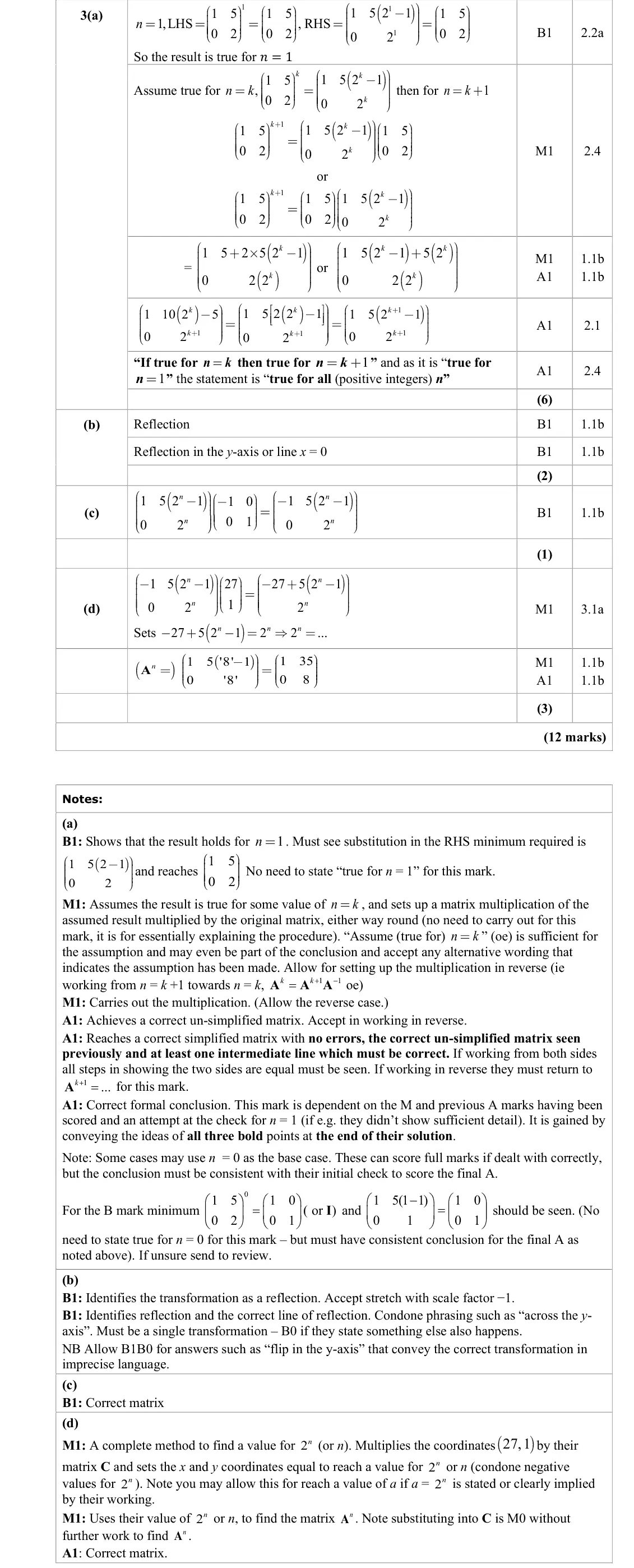
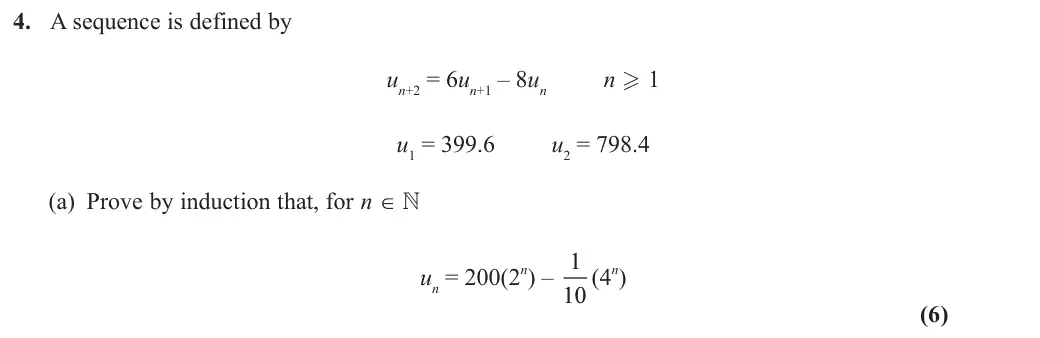
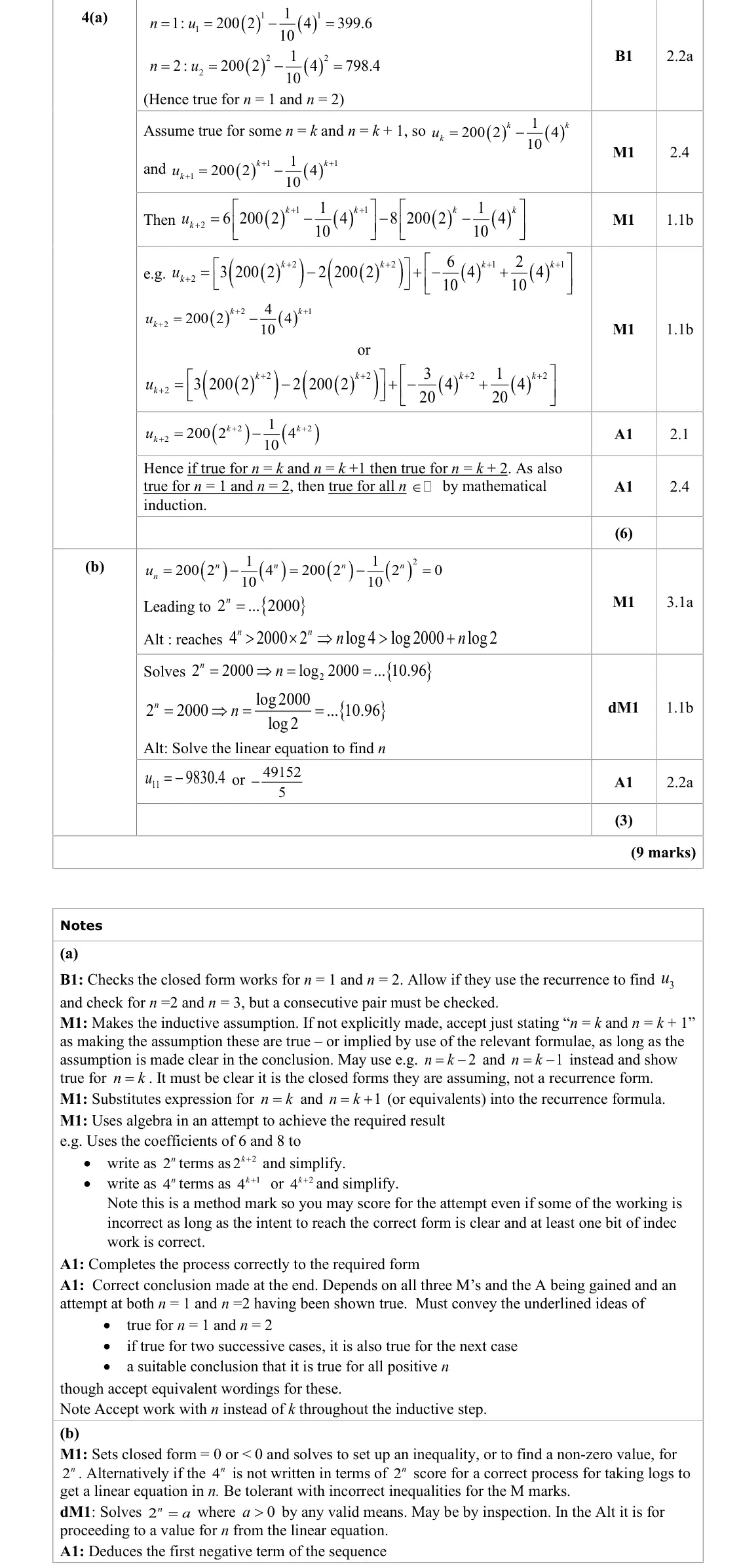
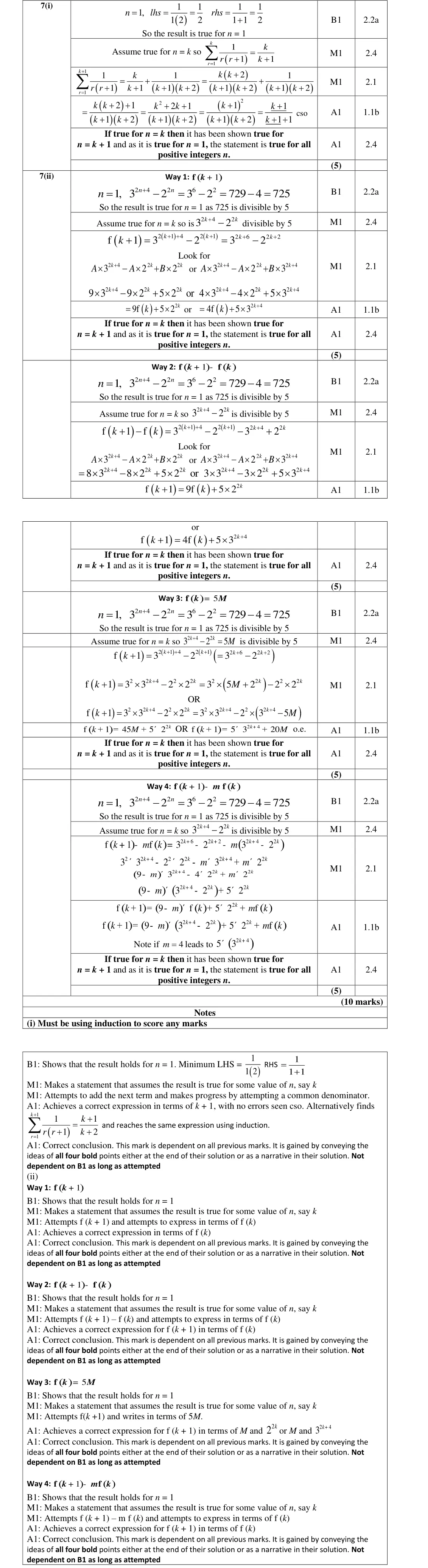
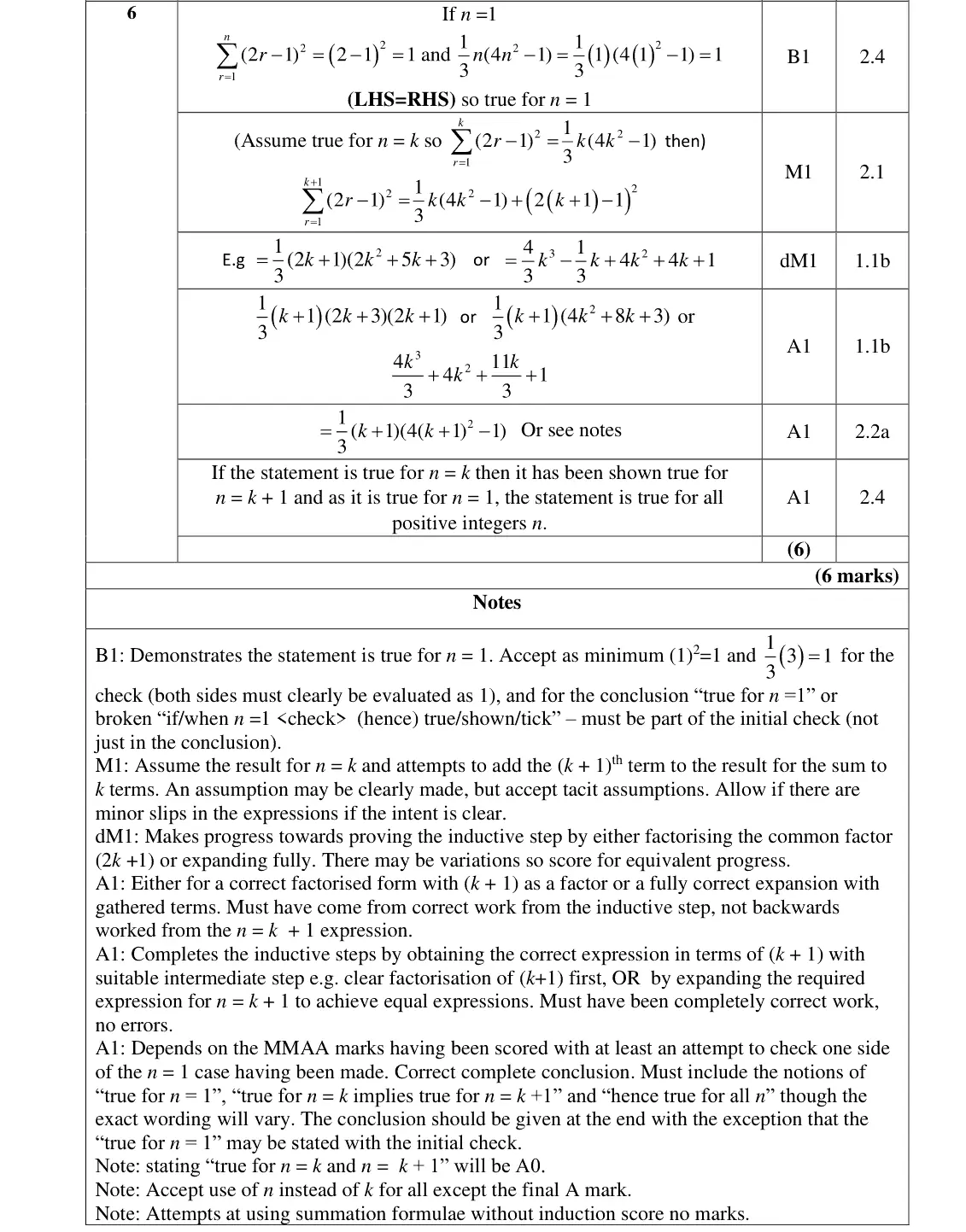
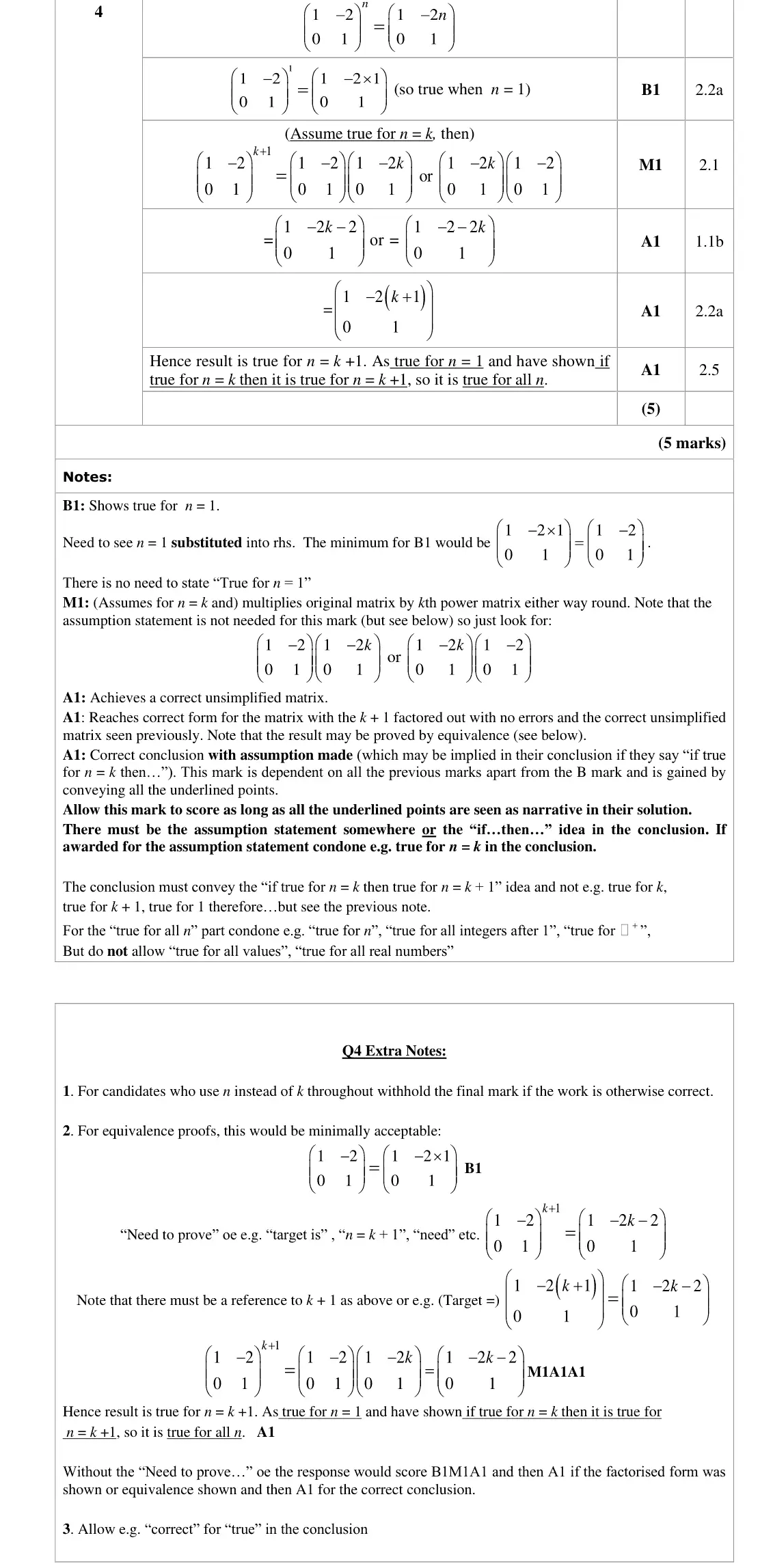
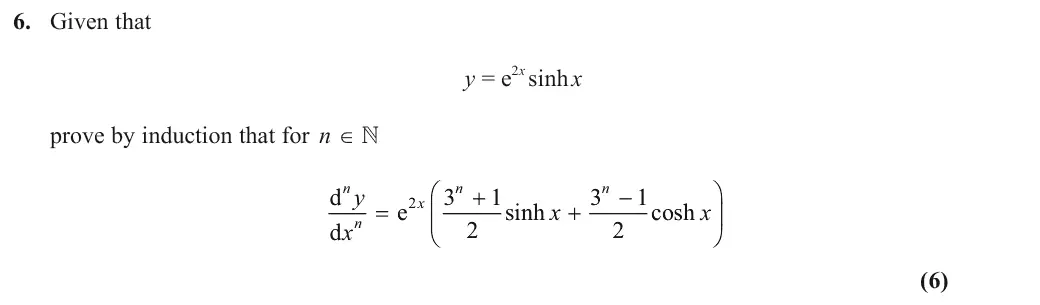
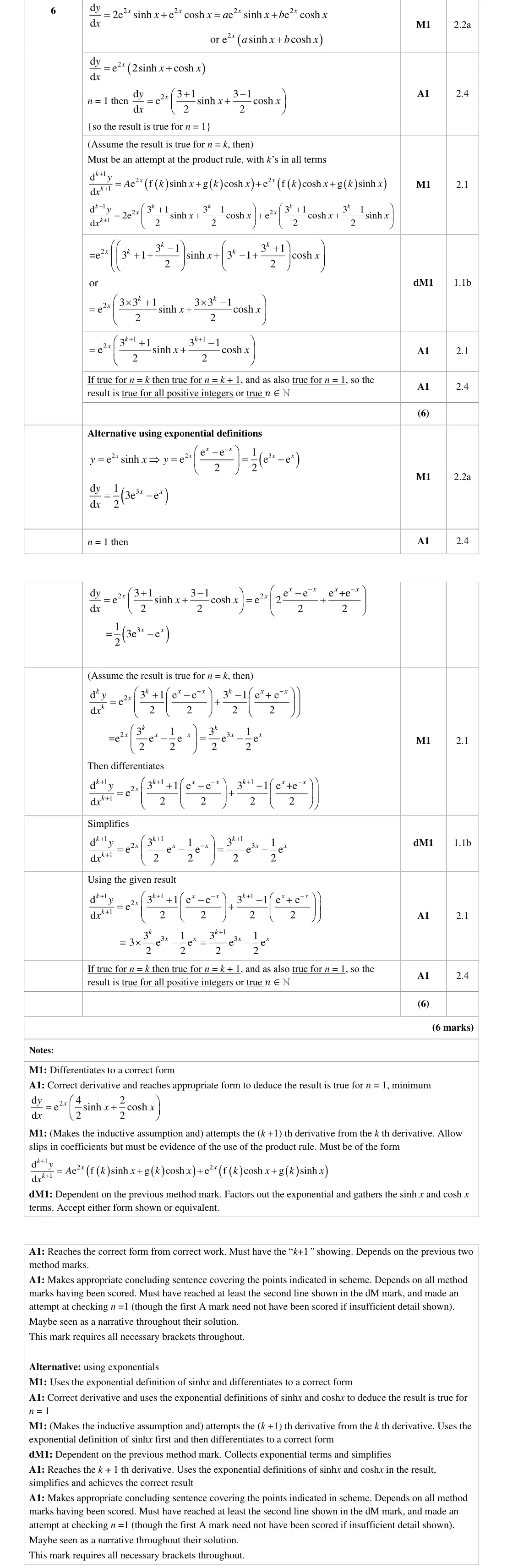
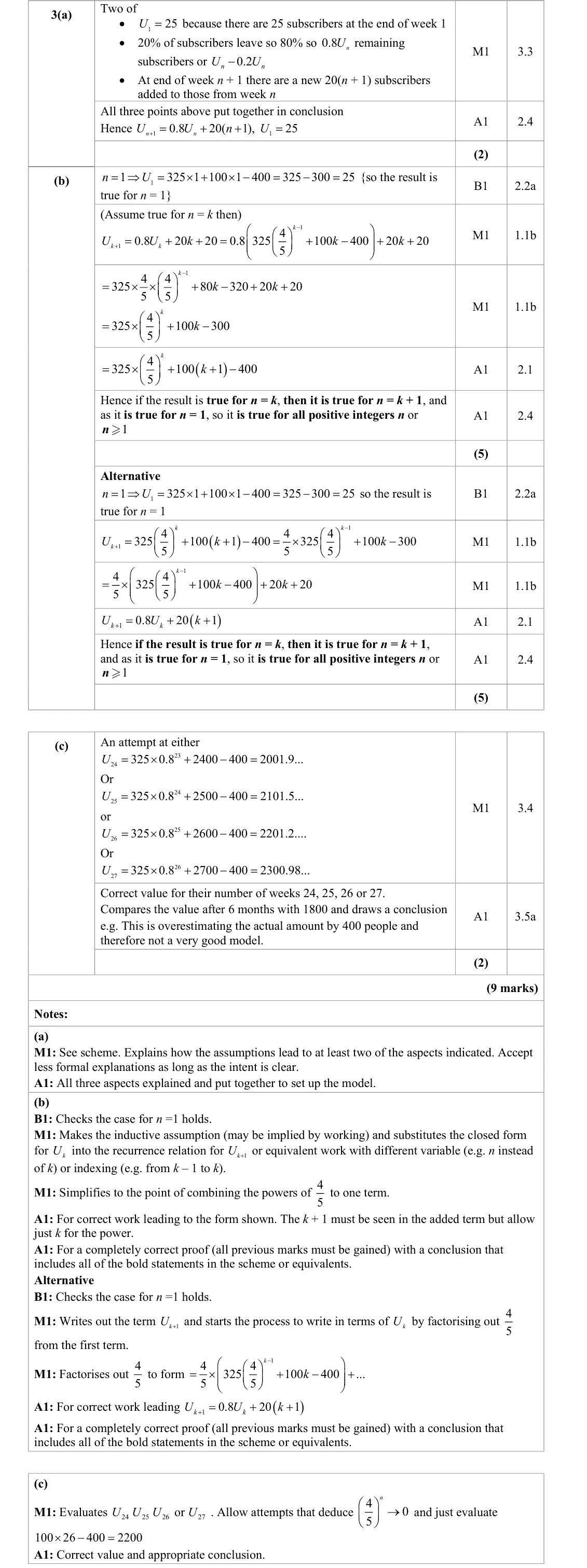
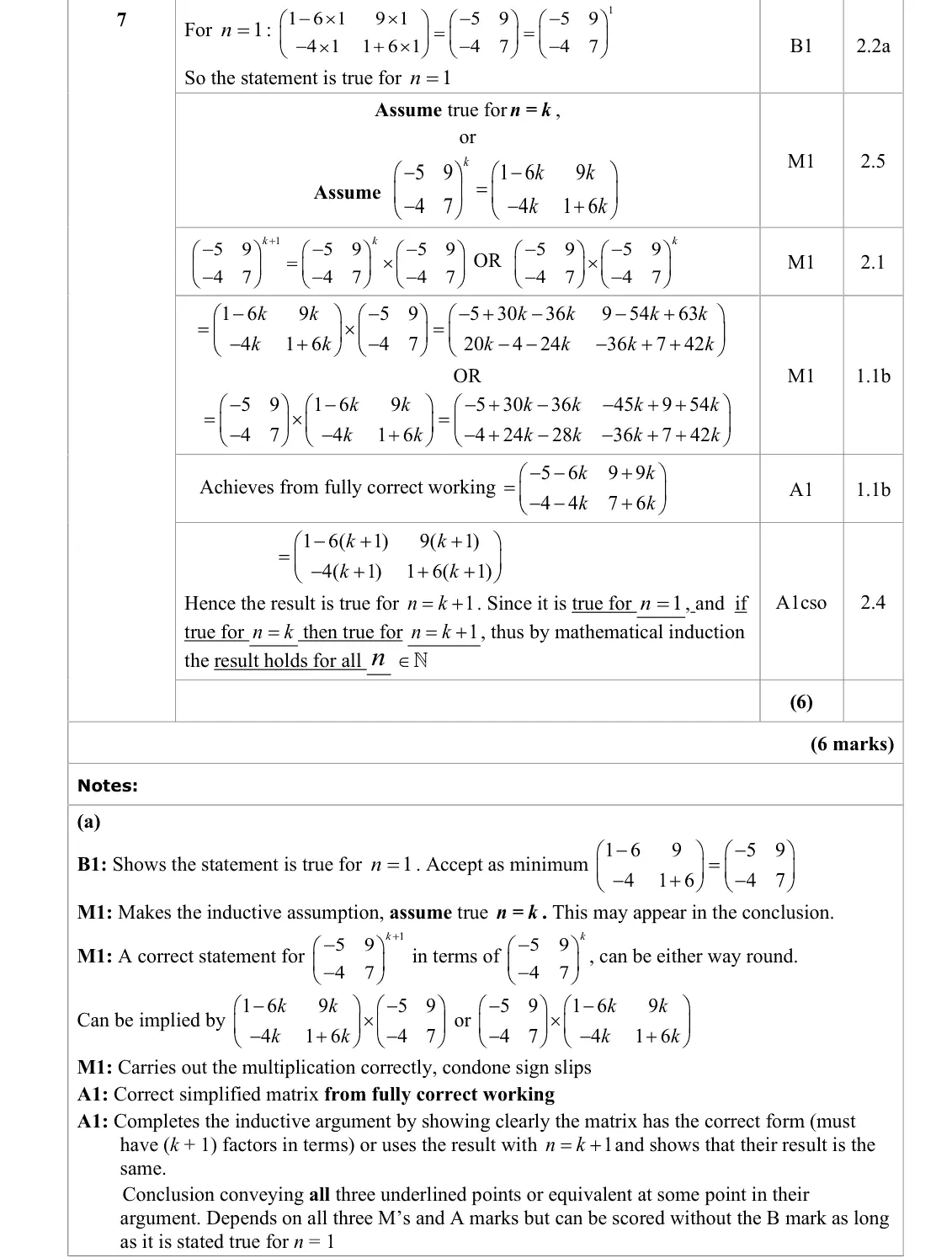
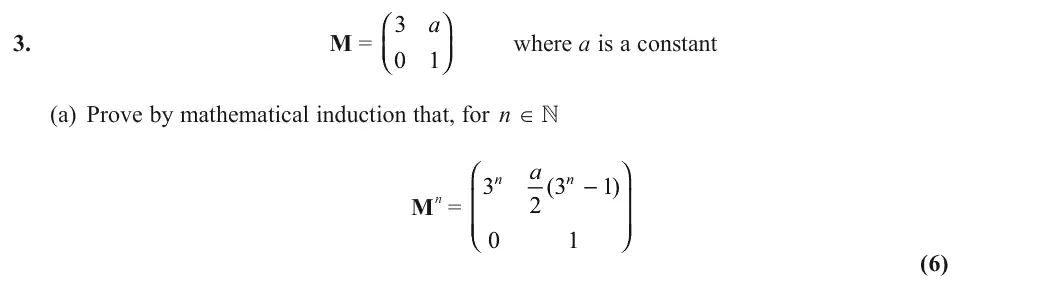
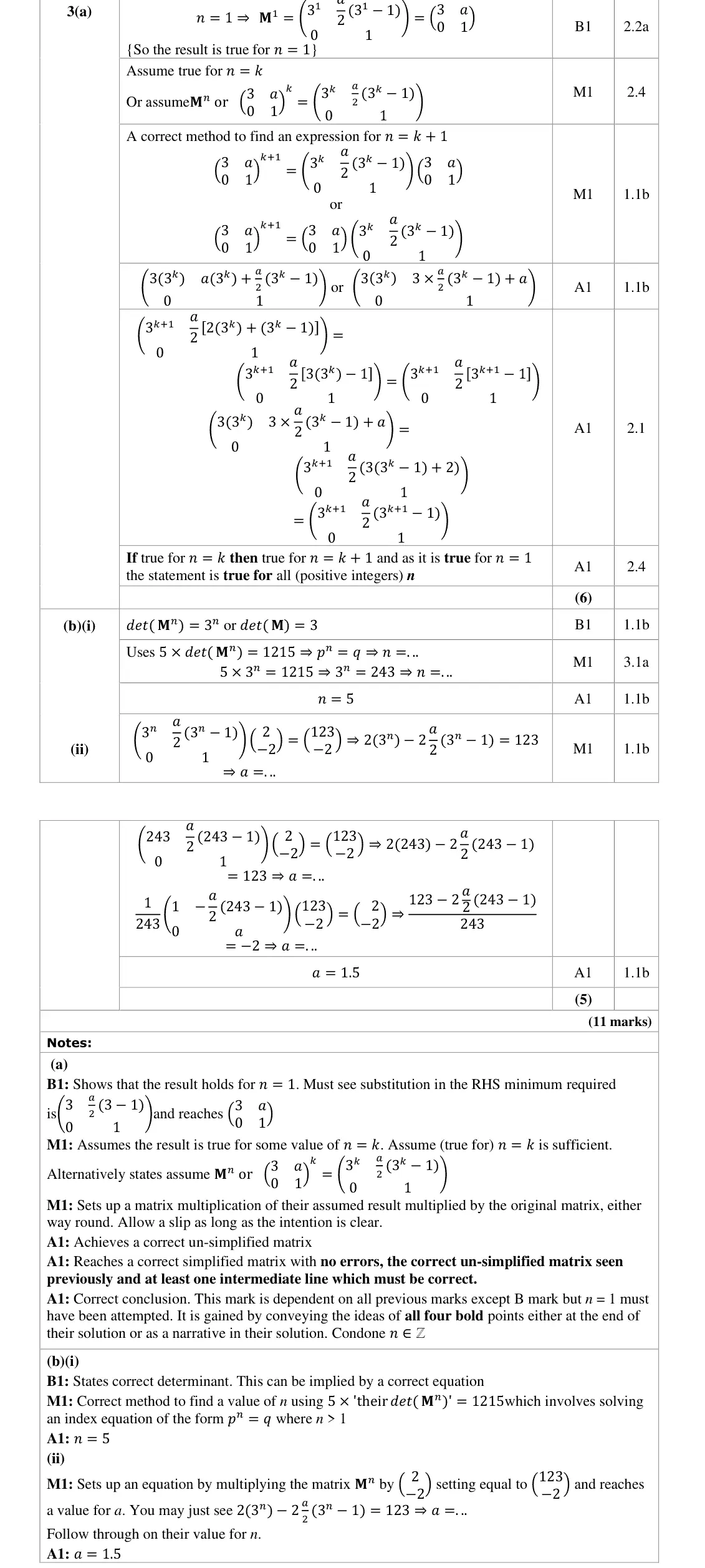
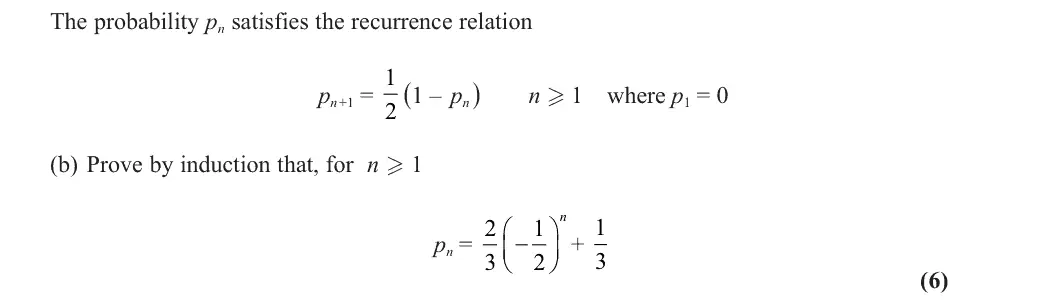
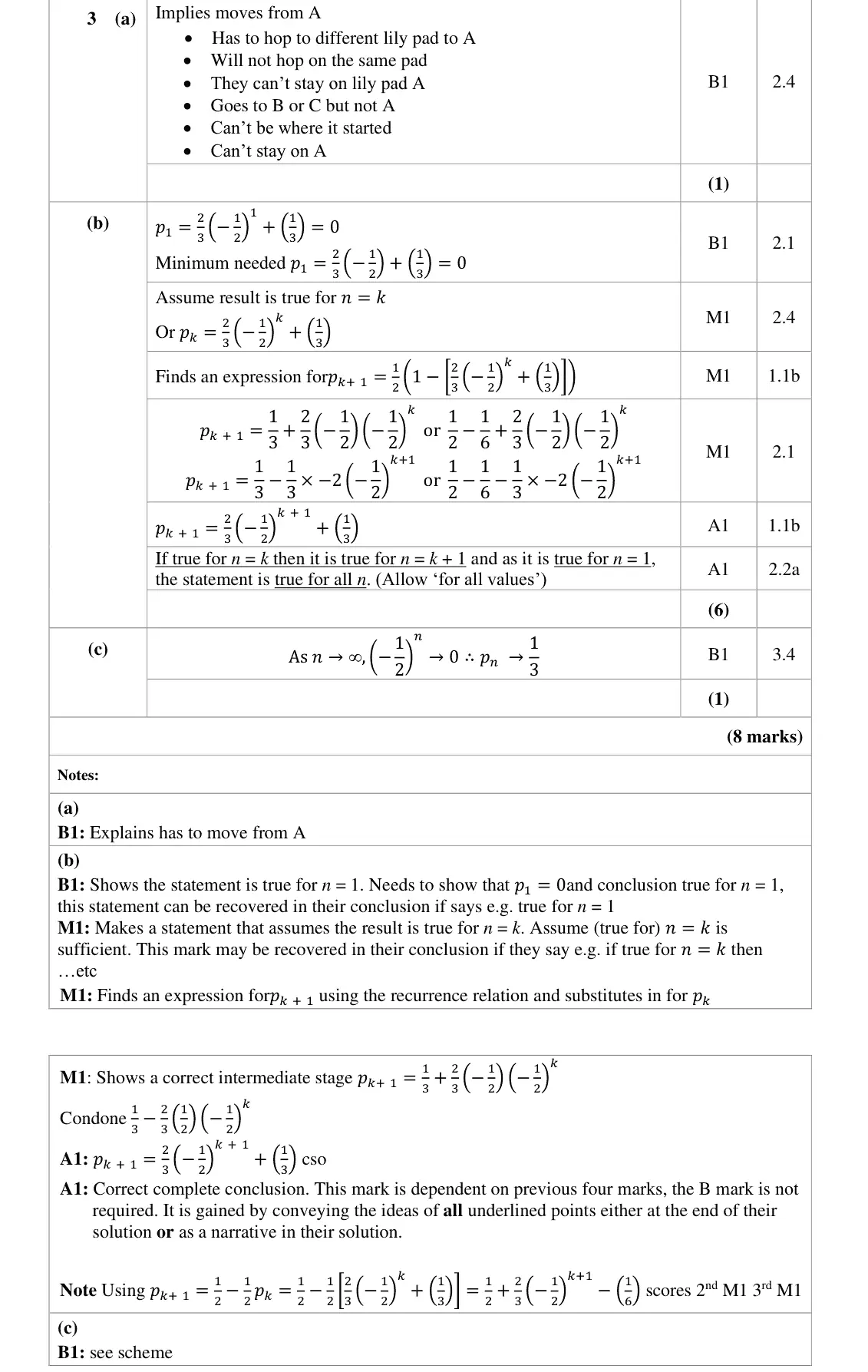
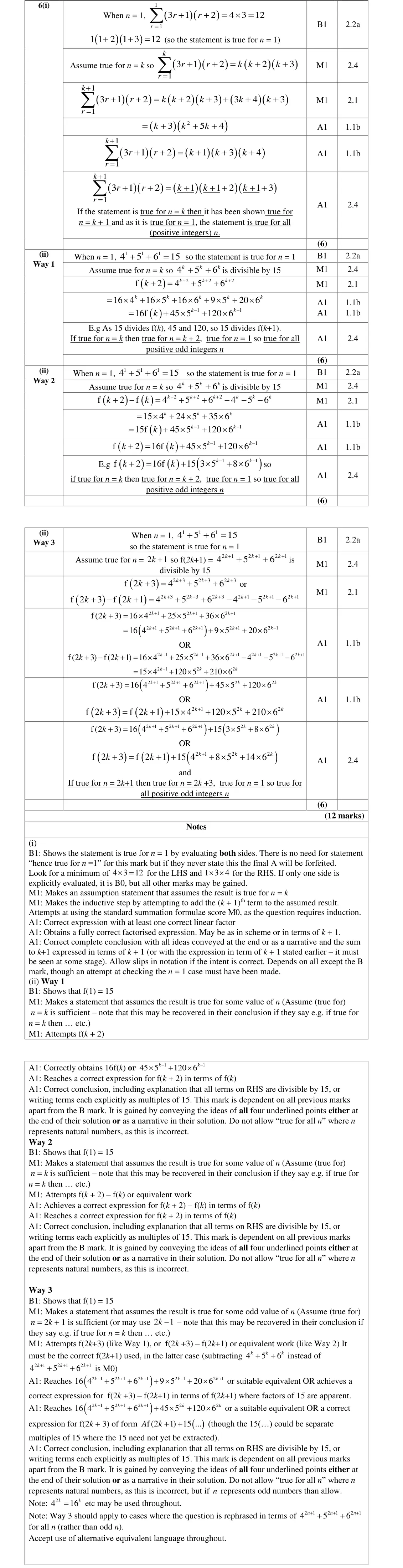
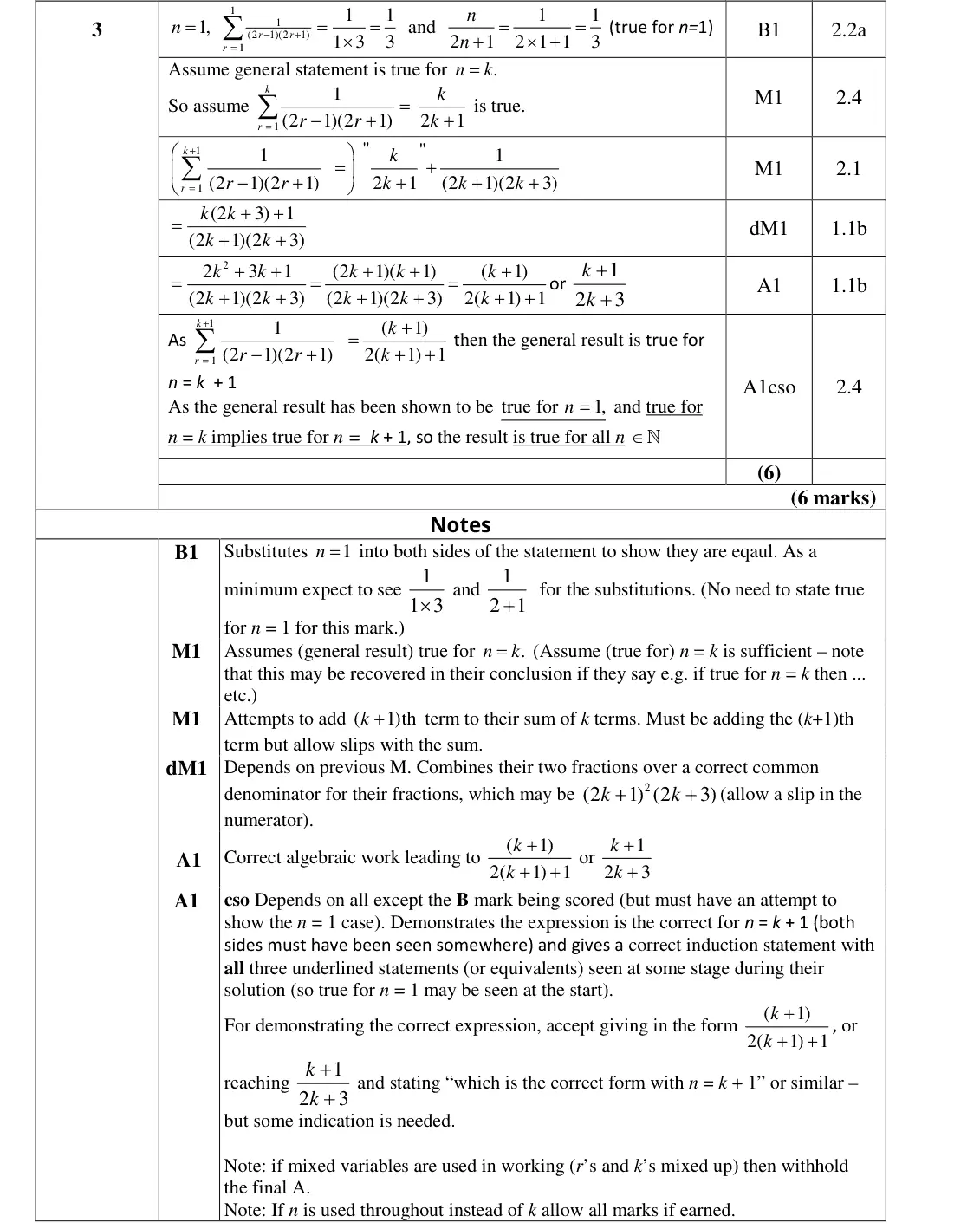
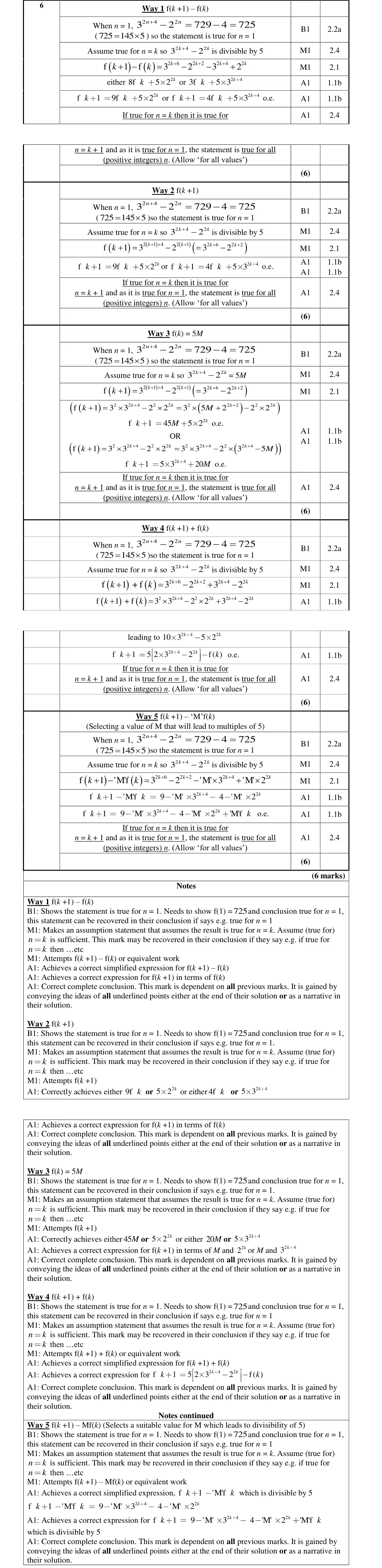
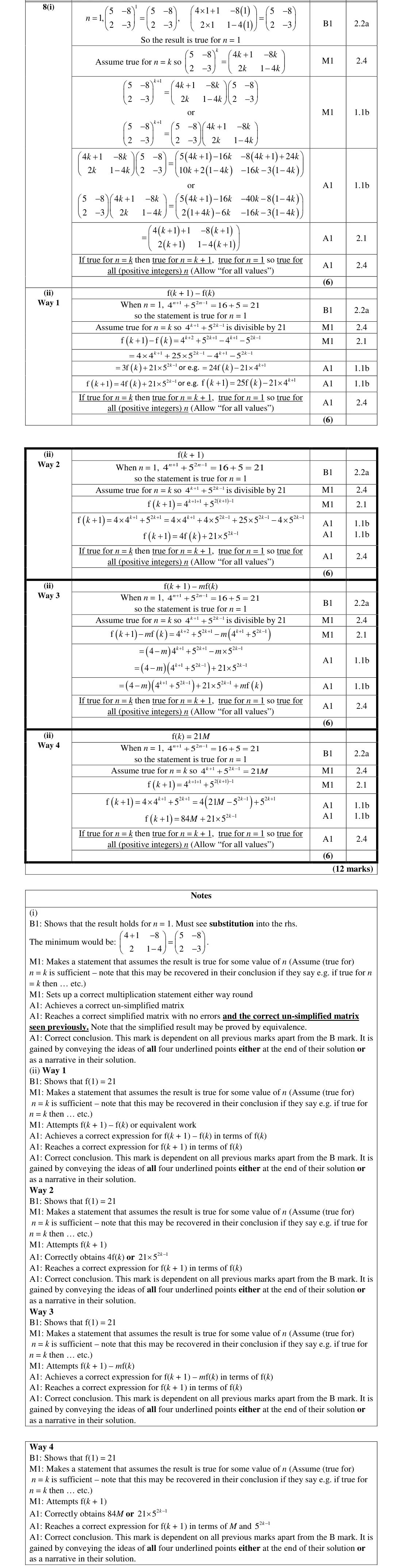
Proof by induction would not at all be a surprising topic on the paper and there were very many excellent answers to this question, in which good candidates seemed well drilled. There are, of course, many who struggle with this topic who found it harder going, but overall the performance on this question was pleasing. The need to start with proving that the inductive hypothesis was true for n = 1 was well known. However, the mark for this was sometimes lost because of lack of convincing detail, or inadequate working shown. In other cases excessive work via summation formulae was used to check the base case. Candidates would be well advised to show explicit initial substitution in even the simplest of cases to make the arguments convincing, but without trying to overcomplicate. Also stating explicitly “true for n = 1” would complete this first stage correctly and convincingly. The next step of the proof determined those who knew the induction strategy from those who did not. Most knew that an assumption had to be made about being true for n = k, but not all knew what to do with this. There were numerous candidates who used the standard summation formulae to prove the result directly (whether with an assumption about n = k first or not) and received no further credit as there was no induction method. Others made errors in not setting up the correct summation split, adding the k-th term to the sum to k terms, or not applying the sum to k terms at all. These cases could make no further progress. However, most were able to apply the inductive step and split the sum to k + 1 appropriately. Candidates who started this induction process correctly usually scored the first 4 marks. The depth of explanation shown in progressing from a form acceptable for the first accuracy mark was very varied, with the most common route being to initially expand the cubic fully, with only the most astute candidates spotting the common factor of (2k + 1) which made the working easier, and usually these progressed correctly to the required form via factorisation of the remaining quadratic and subsequent rearrangements, though slips in signs sometimes caused the loss of the last two or three accuracy marks. Those who expanded fully again had a very mixed standard of working that followed. Some were unable to make further progress as they could not see how to find the appropriate factors, other (usually successfully) attempted long division by (k + 1), knowing this factor was needed, before factorising and reaching the required result, some jumped directly to the correct expression for n = k + 1 with no intermediate working, losing all three accuracy marks, while others jumped directly a fully factorised form clearly from having solved to find roots on the calculator, which were in this case permitted the relevant marks. It was disappointing to see how many needed to resort to solutions by calculator to find the roots. In all approaches sign/multiplication mistakes occurred in some responses, so that although a seemingly correct answer appeared at the end, it did not arise correctly. The process to reach the required form once the suitable quadratic factor was identified was sound in nearly all cases, though, and candidates clearly knew what they were aiming for. There were also many candidates who used the idea of the target – that is, identifying the required answer and multiplying this out to produce a cubic that matched their forward result, with variations on the matched result. In almost all cases the candidates made enough forward progress for this method to be valid. There were also several variations on the approach working backward from the sum to k + 1 terms to identify it as the sum to k terms plus the k + 1-th term, or using the difference in sums to find the k + 1-th term to deduce the inductive steps. Such approached are less elegant but often did work out correctly. For those who successfully proved the inductive step, who therefore had access to the final mark, most did make a very good attempt at the concluding statement and usually included all the notions as required. However, some of the final conclusions were borderline in terms of the “if, then” requirement and this needs emphasising in the teaching of the method. Still many give a conclusion that assumes true for n = k and n = k + 1, without the implication connotation by giving a statement like "as true for n=1, k and k + 1”.