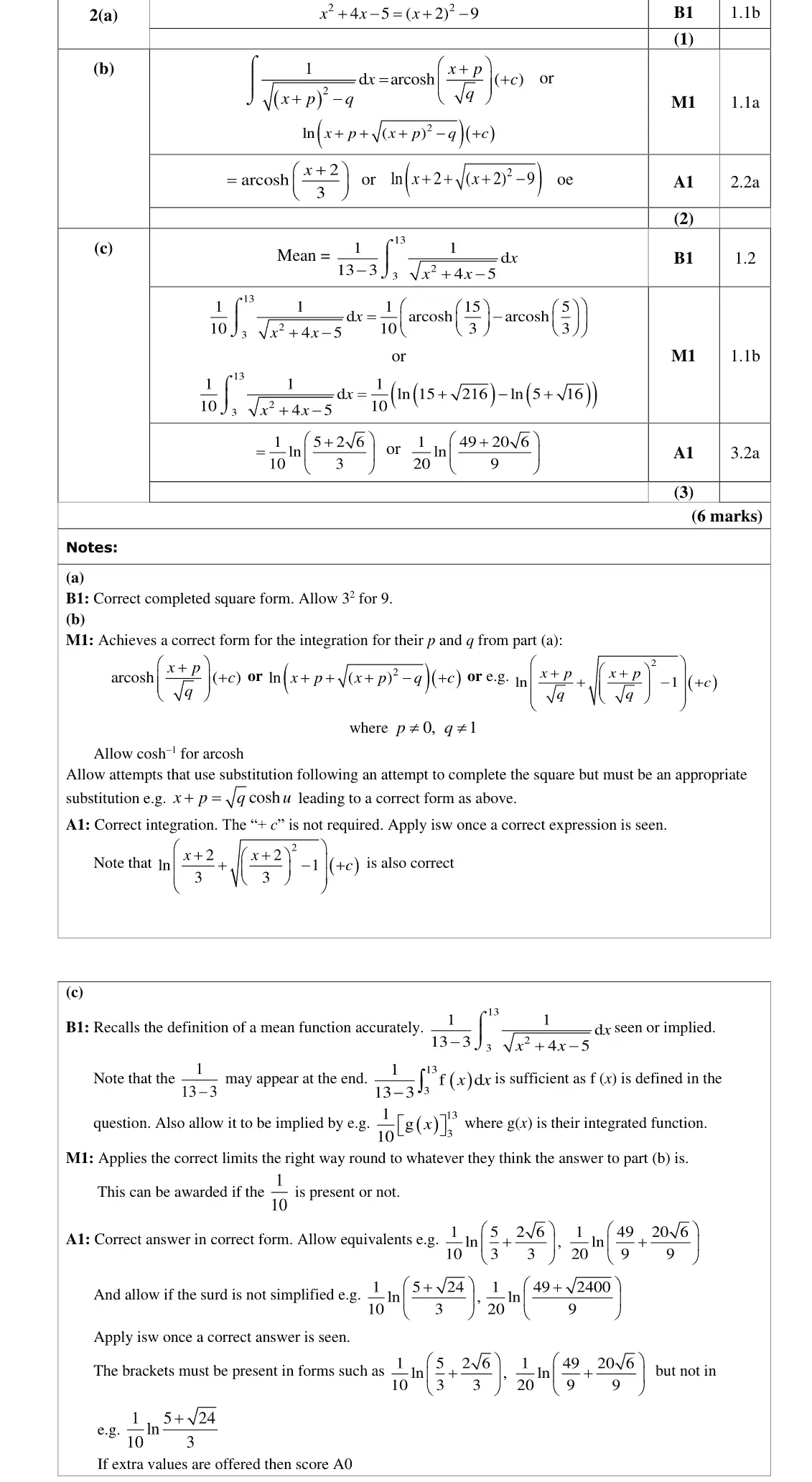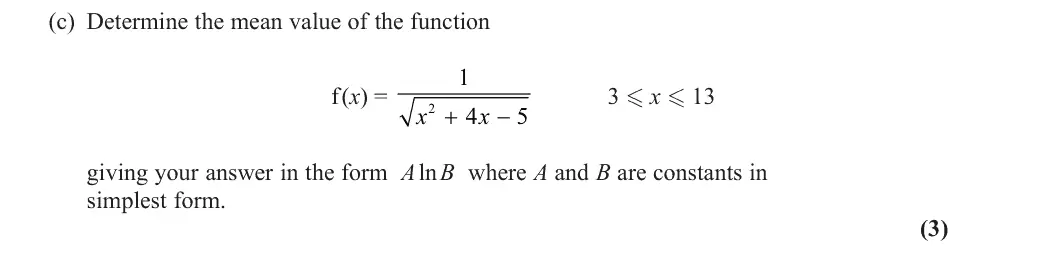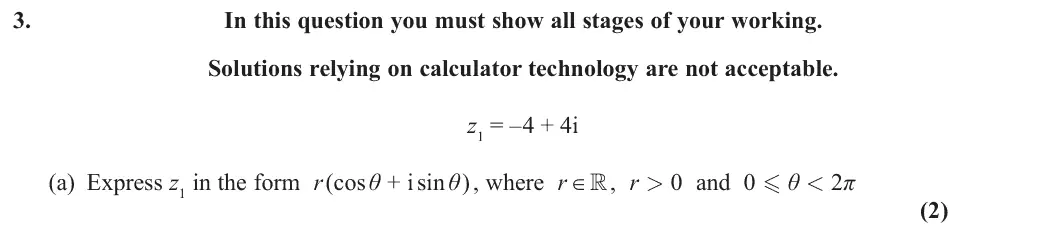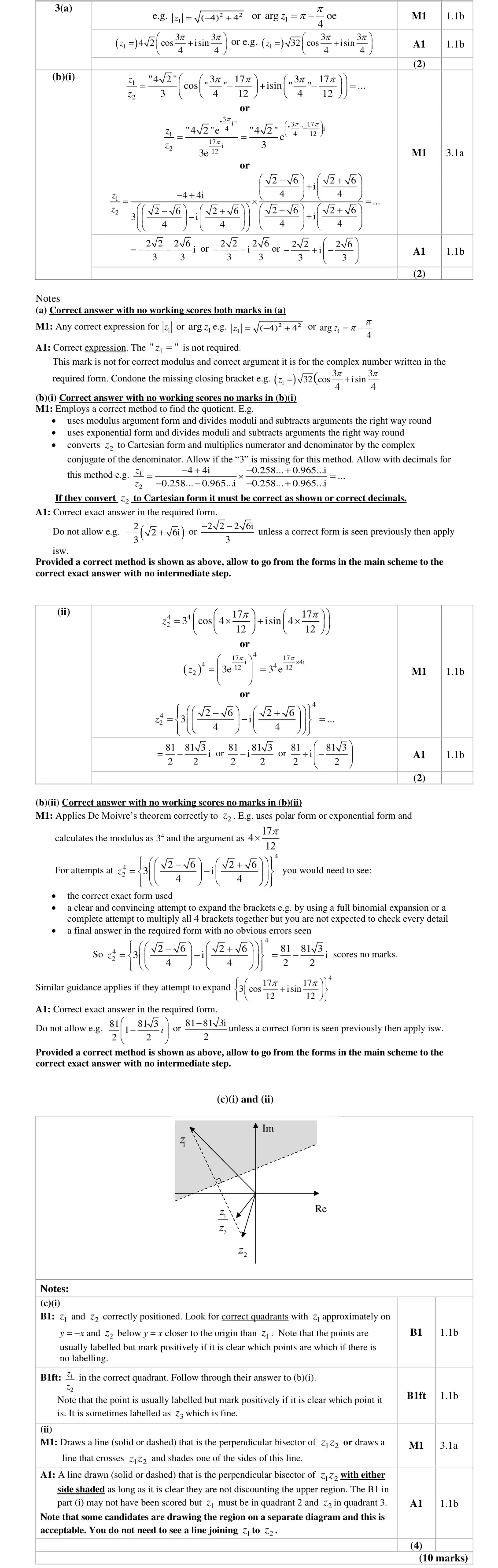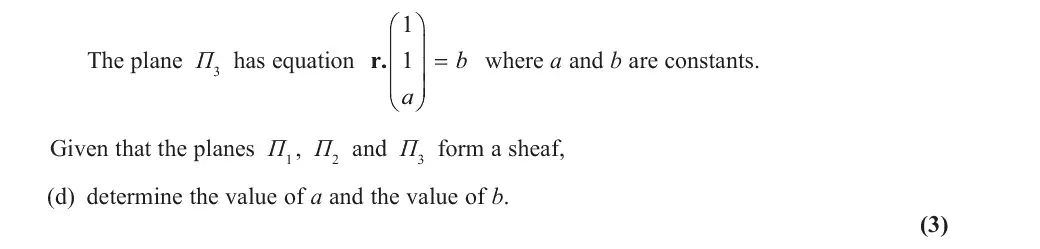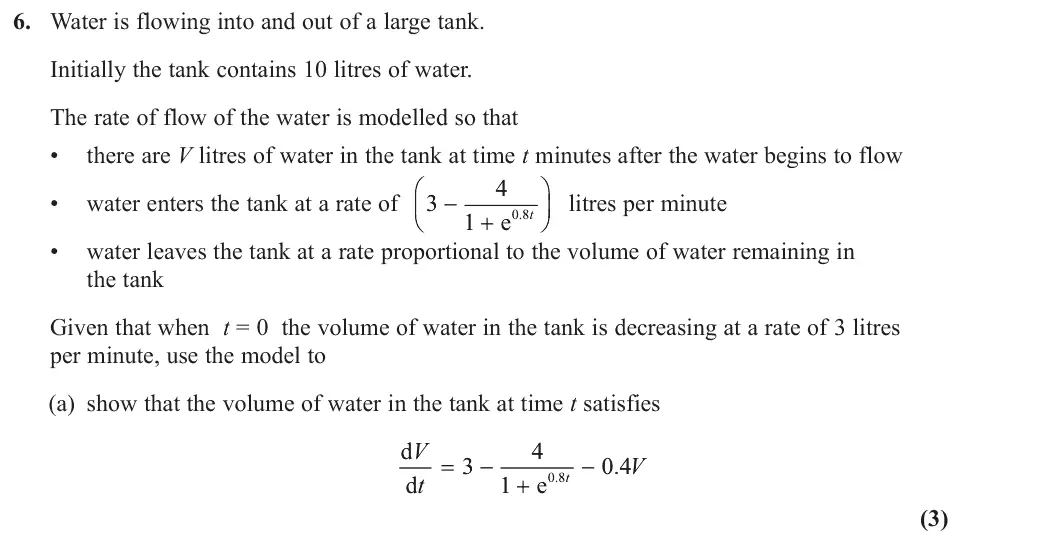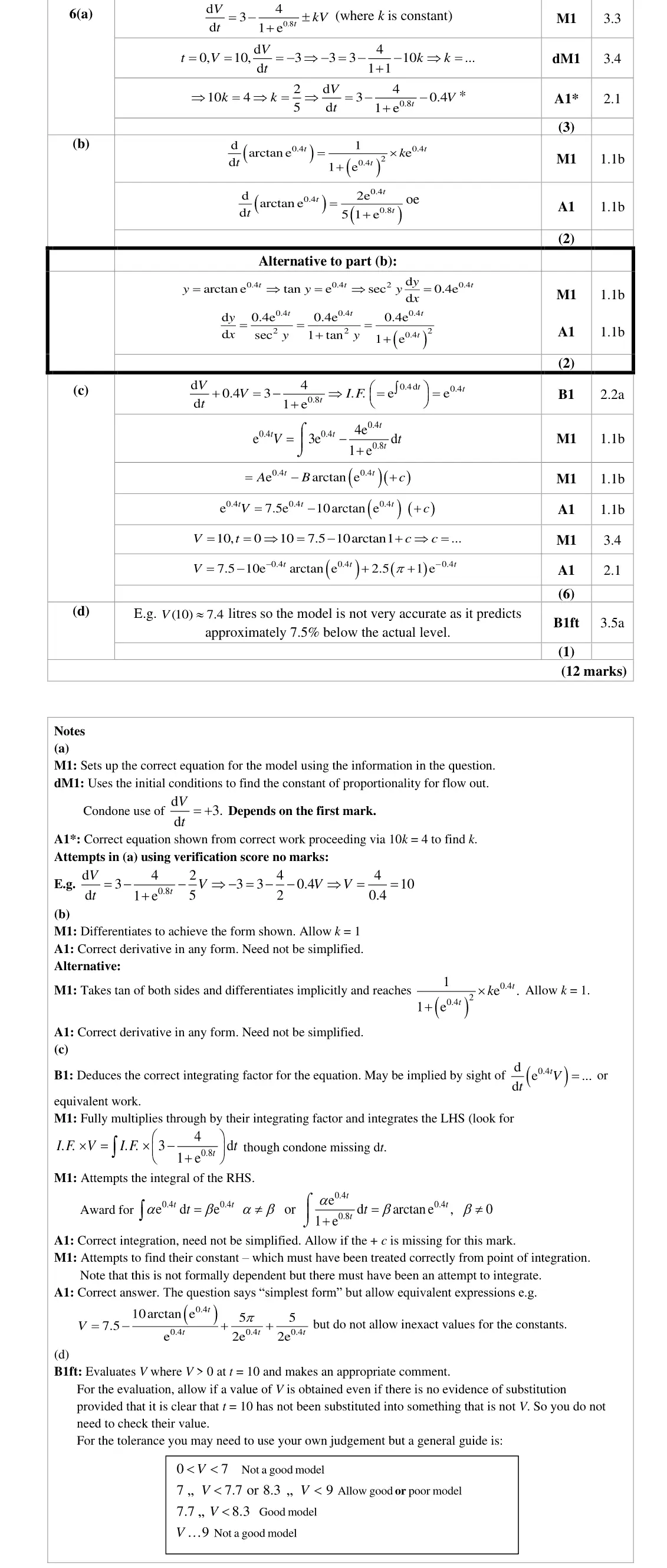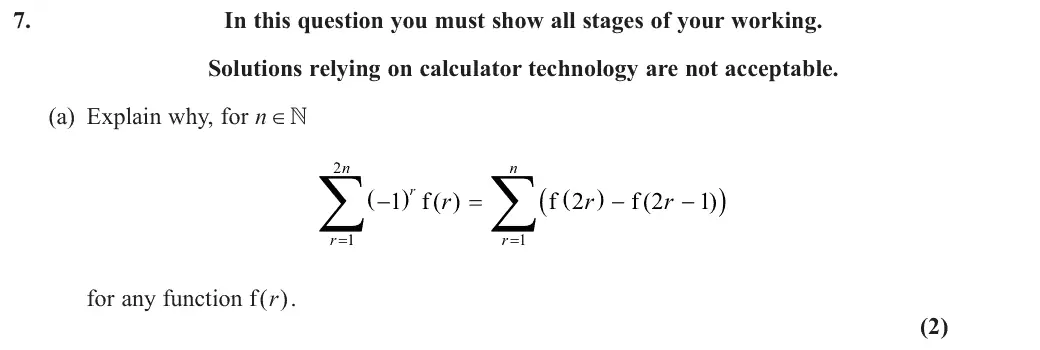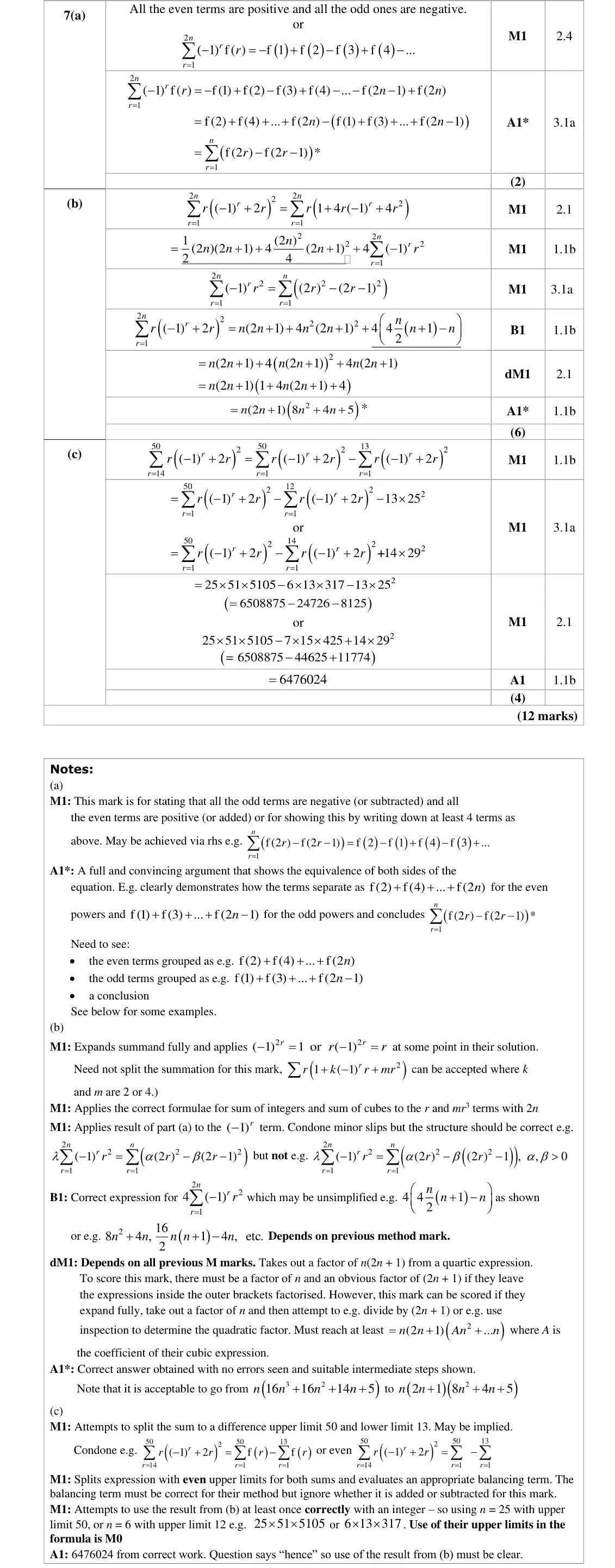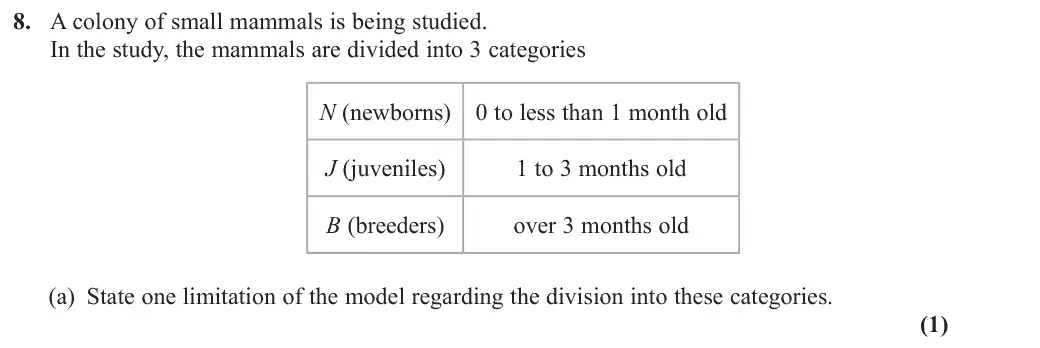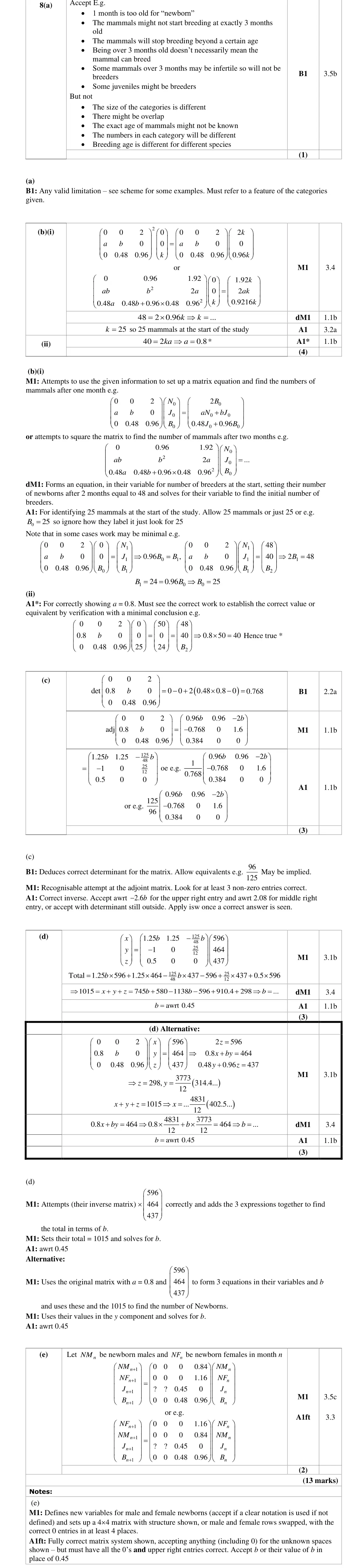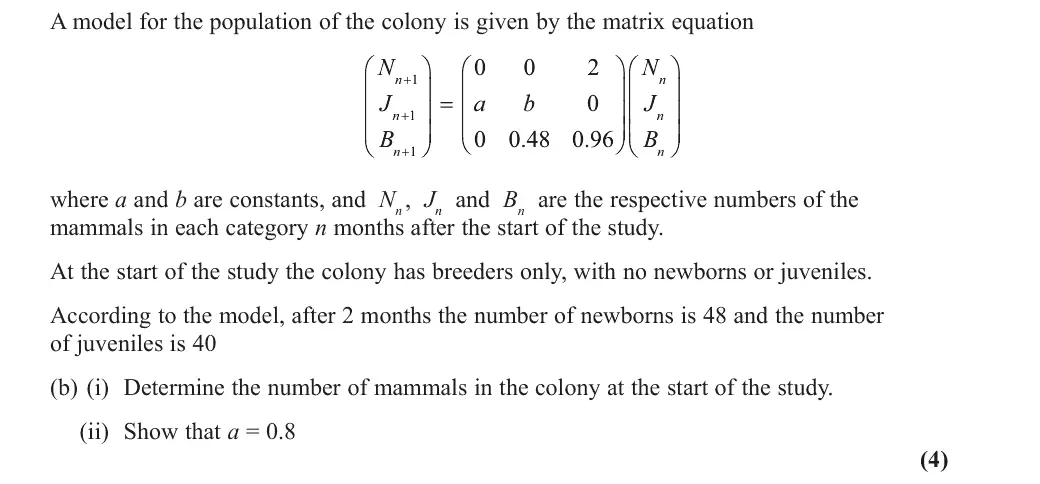
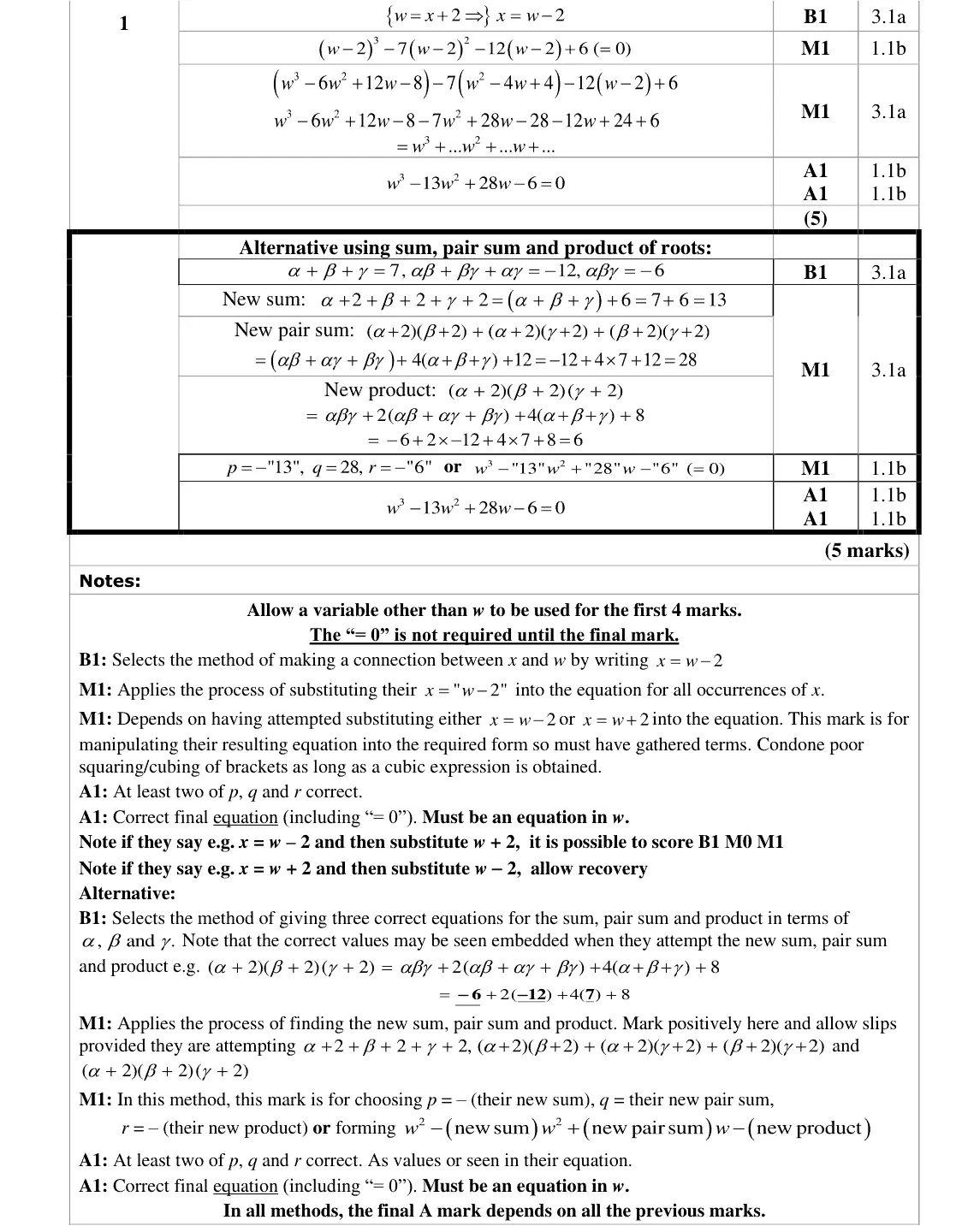
Mark scheme (whole question; this part is marked with the orange bar)
Examiner's comment
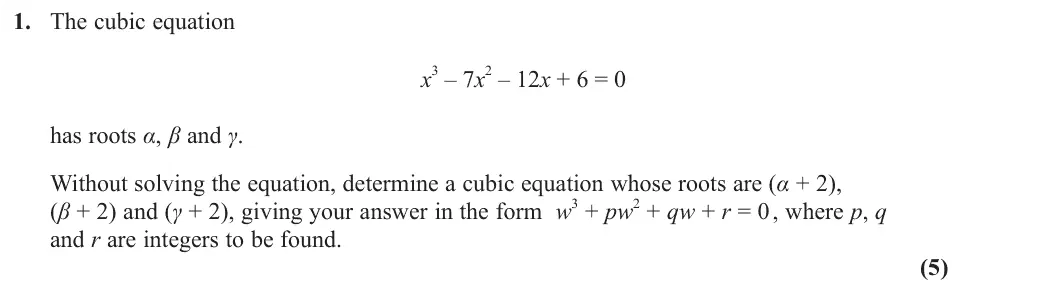
This question was very well answered with a majority of candidates achieving full marks, particularly by those candidates who chose to use a substitution method. Candidates who applied x = w - 2 and substituted would often score the majority of the marks available. Errors that were seen with this method included algebraic slips in expanding brackets and also a failure to write the final equation with the “= 0”. Some candidates mistakenly used x = w + 2 or even x = x + 2. Candidates who used the sum, pair, product method were less successful and it was not uncommon for them to get sufficiently lost in the algebra to get no further marks but there were still many fully correct answers. Some candidates failed to find three correct equations for the B1 mark and this led to mistakes in their final answer. Those candidates who used this method could often then get the first method mark for finding the new sum, pair sum and product. There was mixed success in identifying the positive and negative nature of their p, q and r. Other final errors were in failing to write an equation including “= 0” as with the main scheme. Another successful but less common method was also seen which involved candidates using the substitution 𝑤= 𝑥+ 2 into the target cubic and comparing coefficients to derive the values of 𝑝, 𝑞 and 𝑟. A few candidates attempted a very long-winded approach, where they attempted to expand the new equation in the form {(x – ( alpha + 2)}{x – ( beta + 2)}{x - (γ + 2)} then used the sum, pair sum and product of roots in their new equation. These attempts rarely scored more than the first two marks.
Key points from the mark scheme and examiner's report
- substitute x = w − 2 (not w + 2): w³ − 13w² + 28w − 6 = 0
- the final answer must be an equation (= 0)
- the sum, pair-sum and product route was less successful